


Lab-Grown Diamond Resale Value: What You Should Actually Expect

The real answer
Let's be straight about resale, because few sellers are. A lab-grown diamond resells for a fraction of its purchase price. But before you read that as a flaw, ask the right question: does a mined diamond do better? Not really.
The truth nobody says out loud
Almost no jewellery resells well. The moment you leave the shop, you are selling "second-hand," without the retailer's margin - mined or lab-grown alike. Mined diamonds long seemed to "hold value" mostly because their price was kept artificially high. It is not an investment; it is a purchase.
What happened to lab-grown prices
Since 2020, lab-grown diamond prices have fallen sharply: production scaled up, the technology improved, and supply caught up with demand. A stone bought a few years ago is worth noticeably less brand-new today. That is excellent when you buy - you get more stone for your budget - but it means you should not expect to resell at what you paid. No one should, with any diamond. It's the same dynamic that hit flat-screen TVs and solar panels: rapid gains in manufacturing efficiency, passed straight through to the buyer.
Jewellery is not a financial asset. It is an object to wear. Judge it on years of enjoyment, not a resale price.
Why this works in your favour
If neither resells well, then paying the "scarcity premium" on a mined diamond makes no financial sense. With a lab-grown diamond, you do not lose value at resale - you simply avoid paying it up front. The money saved stays in your pocket, or becomes a more beautiful stone.
The smart move: insure it, don't resell it
Here is a concrete, rarely-mentioned advantage. Because a lab-grown diamond costs less to replace, it also costs less to insure. Have the piece appraised at replacement value, add it to your home insurance or a jewellery rider, and you are covered against loss or theft for a modest premium - typically 1-2% of the appraised value per year. That is far better protection than a hypothetical resale price.
How to think about the purchase instead
The right logic
- Buy to wear, for a long time.
- Put the money into visible beauty.
- Insure at replacement value.
- Choose timeless, not a trend.
The logic to drop
- "It will appreciate."
- "I can resell it for the same price."
- Paying for scarcity rather than the stone.
What if my taste changes?
This is where lab-grown's accessible price becomes an asset, not a handicap. Because you paid fair value up front, replacing or upgrading a piece a few years down the line costs far less than it would with an overpaid mined diamond. You are not trapped in a bad investment - you simply own a beautiful piece you can evolve.
What about sentimental value?
That is the only "resale" that truly matters. A ring worn every day for years, passed down, or simply loved, has long since repaid its price - in use, not in dollars.
 Buy to wearFair value up front - nothing to win back later.The Eden Stud$860.00
View →
Buy to wearFair value up front - nothing to win back later.The Eden Stud$860.00
View →
Frequently asked
Does a lab-grown diamond lose all value?
It resells low, like almost all jewellery. But it cost you far less to begin with, so the real gap is small.
Why did lab-grown prices fall?
Production scaled and the technology matured since 2020, pushing prices down. That is an advantage when buying, not a sign of lower quality.
Is a mined diamond a better investment?
No. It too resells well below what you paid. The difference is that you paid more for it.
So how do I "not lose"?
By buying to wear - a piece you will love for a long time - and insuring it at replacement value. That is where the real return is.

You might also like
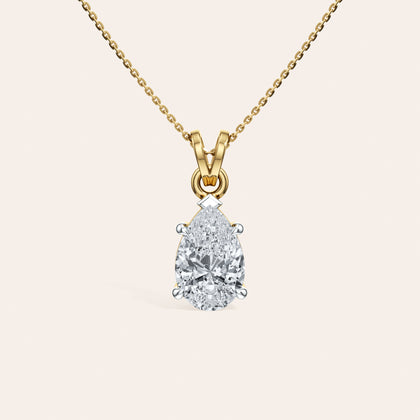
The Lumina Pendant
2.07 CT. T.W.PEAR$2,100.00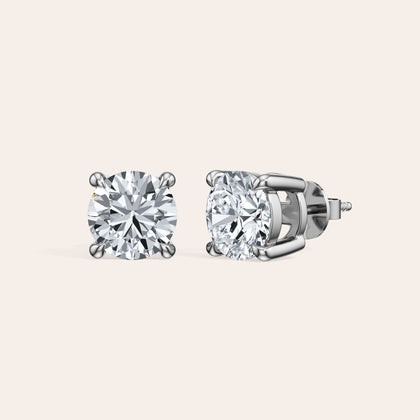
The Lumière Stud 1.5 CT
1.48 CT. T.W.ROUND BRILLIANT$1,080.00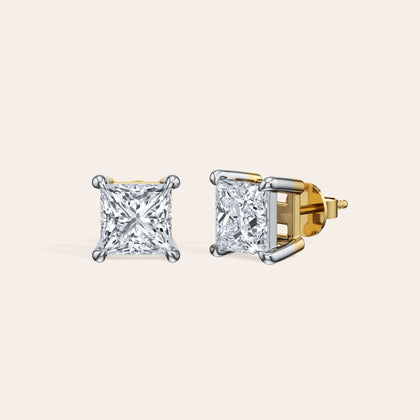
The Crest Stud
1.20 CT. T.W.PRINCESS$1,010.00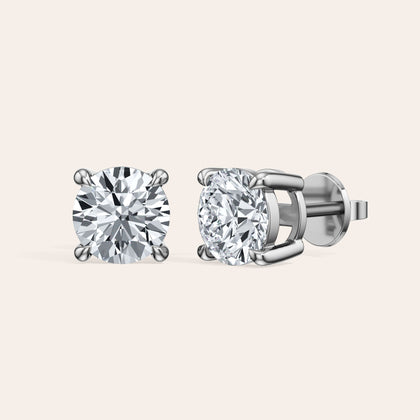
The Lumière Stud 2 CT
2.02 CT. T.W.ROUND BRILLIANT$1,400.00Complimentary shipping and free 14-day returns - decide with total peace of mind, at no cost.