


Diamond Shape Comparisons: Emerald vs Radiant, Pear vs Marquise and More

The shape you choose changes a diamond's sparkle, apparent size, and price. Here are the most-requested comparisons, side by side, with a quick-reference table and clear answers on price and size.
Diamond shapes at a glance
| Shape | Cut style | Sparkle | Size per carat | Relative price |
|---|---|---|---|---|
| Round | Brilliant | Exceptional | Average | Premium (highest) |
| Oval | Brilliant | High | Large | Great value |
| Emerald | Step | Subtle, mirror-like | Large | Good value |
| Radiant | Brilliant | High | Average | Mid-range |
| Pear | Brilliant | High | Large | Best value |
| Marquise | Brilliant | High | Largest | Best value |
| Cushion | Brilliant | High (more fire) | Average | Mid-range |
| Princess | Brilliant | High | Average | Good value |
| Heart | Brilliant | High | Average | Mid-range |
| Trillion | Brilliant | High | Large | Mid-range |
| Baguette | Step | Subtle | Large | Accent stone |
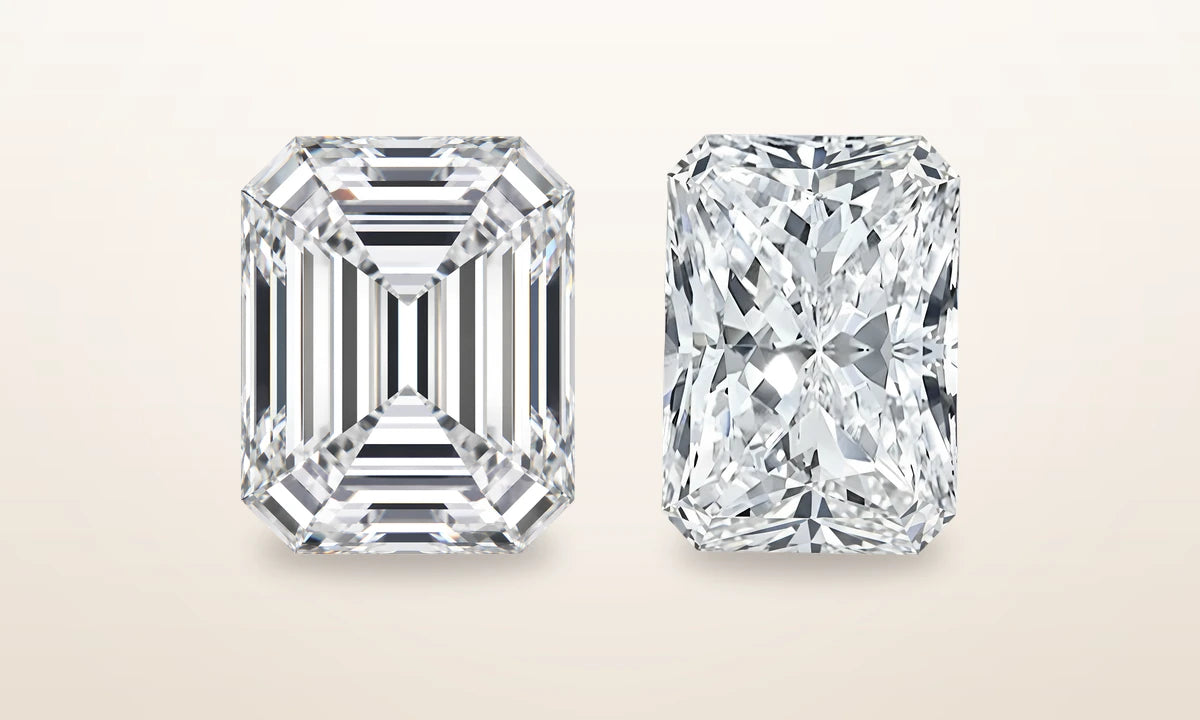
Emerald vs Radiant
| Emerald | Radiant | |
|---|---|---|
| Cut style | Step cut | Brilliant cut |
| Light return | Mirror-like flashes | Bright, fiery sparkle |
| Hides inclusions | Less, so clarity matters more | Yes, faceting hides them well |
| Outline | Rectangular, cropped corners | Rectangular, cropped corners |
| Relative price | Good value | Mid-range |
Both share a cropped-corner rectangle; the real difference is the faceting. Emerald is a step cut: long parallel facets give a calm, mirror-like shine and reward high clarity, since inclusions show more. Radiant is a brilliant cut: it sparkles far more and hides inclusions better. Choose emerald for quiet, architectural elegance; radiant for round-level sparkle in the same silhouette.
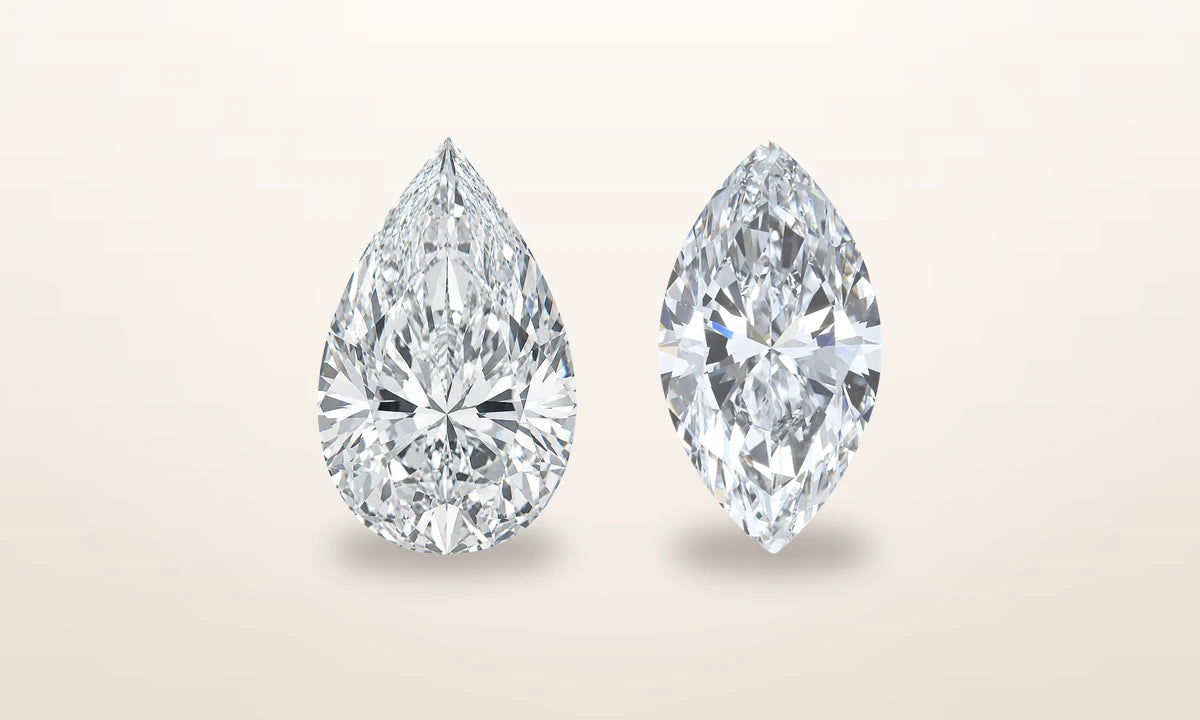
Pear vs Marquise
| Pear | Marquise | |
|---|---|---|
| Points | One (teardrop) | Two (both ends) |
| Light return | Soft, glowing brilliance | Bold flash and contrast |
| Size per carat | Large | Largest of all shapes |
| Facets | About 58 | About 58 |
| Relative price | Best value | Best value |
Two elongated brilliant cuts with roughly 58 facets, both among the more affordable shapes. Pear has one rounded end and one point: a soft, romantic, versatile look. Marquise, pointed at both ends, flashes with bold contrast and offers one of the largest face-up sizes per carat. Choose pear for softness and everyday wear; marquise for size and drama. Either way, protect the points with the setting.
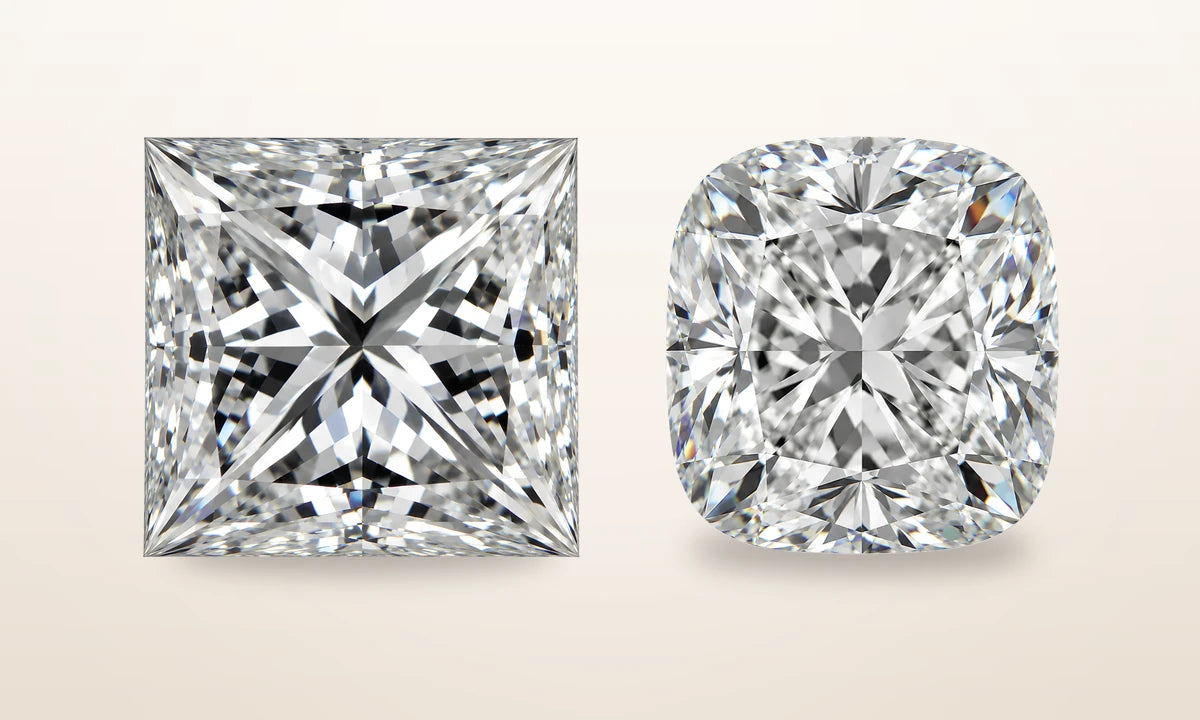
Princess vs Cushion
| Princess | Cushion | |
|---|---|---|
| Corners | Sharp, square | Rounded, soft |
| Light return | Crisp white brilliance | More fire (coloured flashes) |
| Looks largest | Larger face-up | Slightly smaller face-up |
| Character | Modern, geometric | Vintage, romantic |
| Relative price | Good value | Mid-range |
Princess is a square brilliant with sharp corners: crisp white sparkle, a slightly larger face-up look, modern lines. Cushion has rounded corners, throws more fire (coloured flashes), and reads as vintage. Choose princess for modernity and a touch more size; cushion for warmth and romance. Princess's corners are delicate - a protective setting helps.
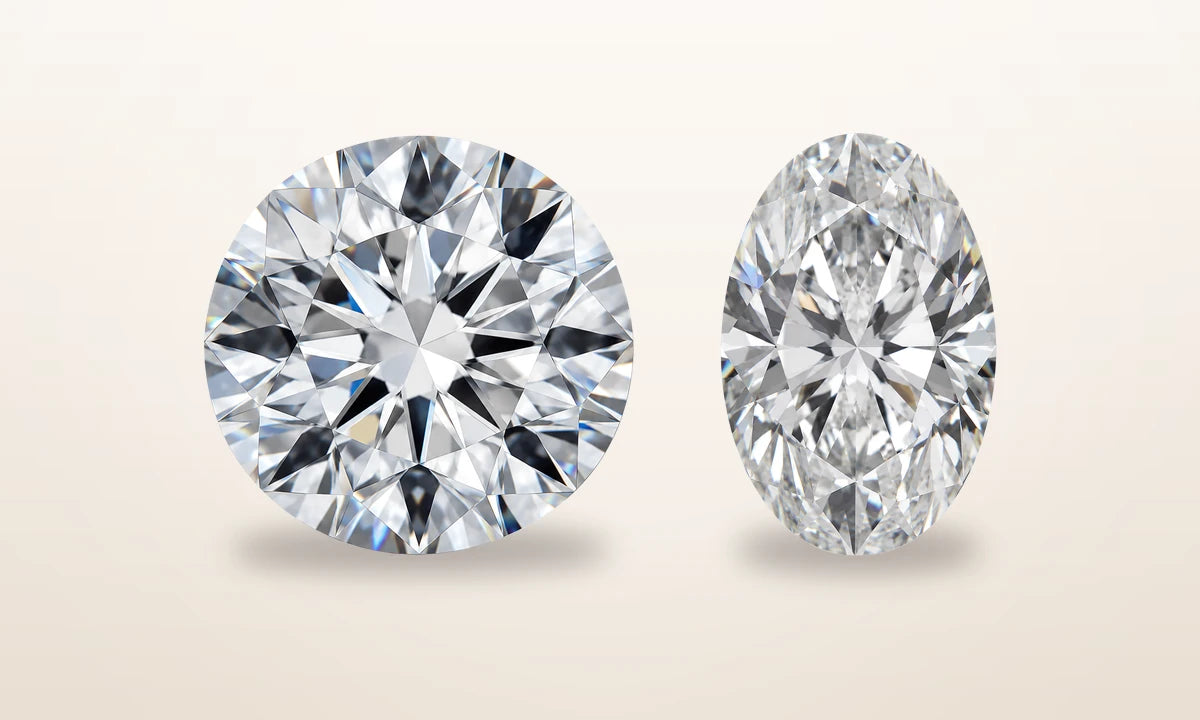
Round vs Oval
| Round | Oval | |
|---|---|---|
| Light return | The most brilliant of all | High, with elongated glow |
| Size per carat | Average | Looks larger, lengthens the finger |
| Relative price | Premium (highest) | Great value |
| Watch for | Nothing specific | A faint bow-tie across the centre |
| Character | Timeless, classic | Modern, romantic |
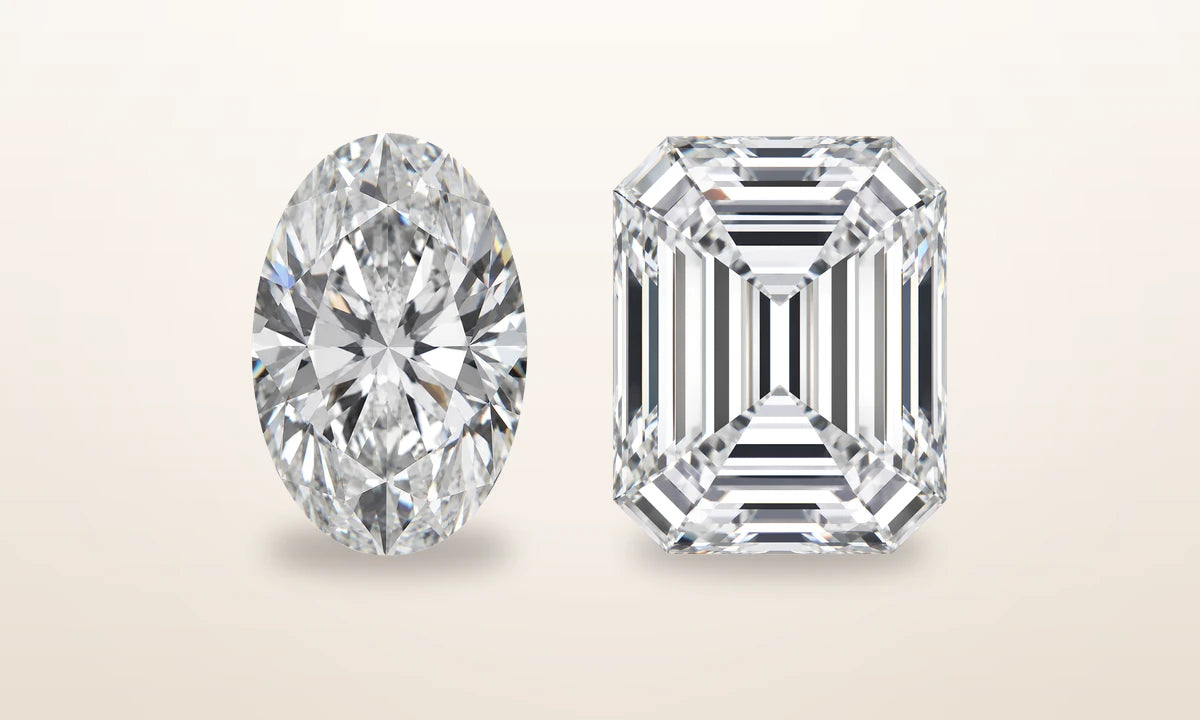
The round brilliant returns the most light and stays the classic default, but also the most expensive: cutting it wastes the most rough. Oval keeps most of that sparkle, looks larger for its carat, elongates the finger, and generally costs noticeably less. Choose round for maximum sparkle; oval for size and value.
Oval vs Emerald
| Oval | Emerald | |
|---|---|---|
| Cut style | Brilliant | Step cut |
| Light return | Lots of sparkle | Clean, mirror-like |
| Hides inclusions | Yes | Less, so clarity matters |
| Size per carat | Large | Large |
| Relative price | Great value | Good value |
Two elongated shapes that look larger than a round of the same carat. Oval, a brilliant cut, sparkles heavily and forgives more modest clarity; emerald, a step cut, offers a clean, glassy finish that rewards eye-clean clarity. Choose oval for easy sparkle; emerald for a calm, sophisticated line.
Round vs Princess
| Round | Princess | |
|---|---|---|
| Outline | Round | Square |
| Light return | The most brilliant | Strong white sparkle |
| Relative price | Premium (highest) | Good value |
| Looks largest | Average | Similar, sharp outline |
| Character | Timeless | Modern |
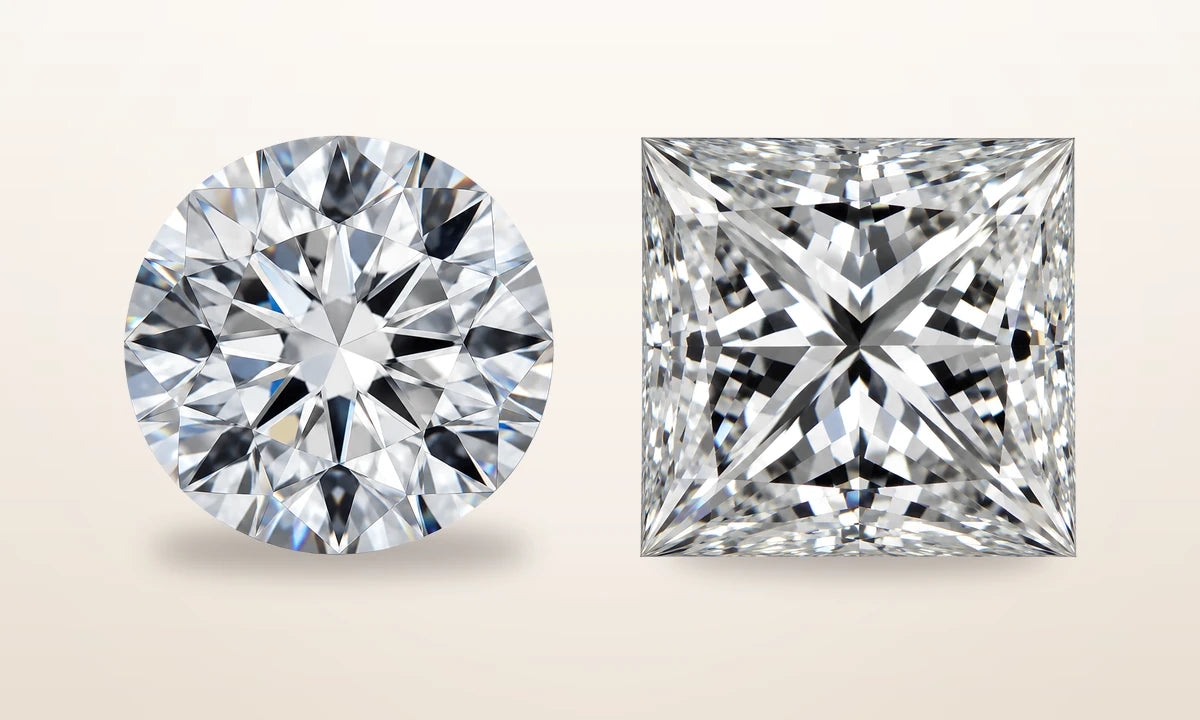
Round brilliant is the sparkle benchmark and the most expensive shape. Princess, a square brilliant, offers strong sparkle and modern lines, generally less expensive than a round of similar size. Choose round for maximum fire and classic style; princess for a modern square and better value. Protect its sharp corners with the setting.
Which diamond shape is the most expensive?
As a general rule, the round brilliant is the most expensive shape per carat. Cutting it wastes the most rough material and demand is highest, so rounds carry a premium. Most fancy shapes generally cost less than a comparable round, with pear and marquise often offering the best value, and oval, emerald, princess, and cushion sitting in between.
That's a rule of thumb, not a guarantee. A less commonly cut shape can be harder to find in a given market, and a well-matched, eye-clean stone in a sought-after size can occasionally cost as much as a round, or more. Price also follows cut quality: fancy shapes are judged more by eye than by a single grade, and an example with precise symmetry, even faceting, and no distracting bow-tie is worth more than a poorly cut example at the same carat, colour, and clarity.
Which diamond shape looks the biggest?
Elongated shapes look largest for their weight because they spread their mass over a larger surface area. Marquise offers one of the largest face-up sizes, followed by oval, pear, and emerald. A round or cushion of the same carat weight will generally look a little smaller from above.
How to choose the right diamond shape
Start with the silhouette that naturally draws you in, then weigh three things: the sparkle you want, the apparent size you want, and your budget. Brilliant cuts maximize sparkle; elongated shapes maximize size per carat; step cuts like emerald offer calm, clean lines. If value matters, a fancy shape gives you more size for the price than a round. For everyday wear, shapes without points are the lowest-maintenance; pointed shapes are worth a protective setting.
 Compared, then chosenWhen the comparison settles, the piece is here.The Lumina Pendant$2,100.00
View →
Compared, then chosenWhen the comparison settles, the piece is here.The Lumina Pendant$2,100.00
View →
Frequently asked questions
Which diamond shape is the most expensive?
The round brilliant is the most expensive shape per carat. Cutting a round wastes the most rough material and demand is highest, so rounds carry a premium. Most fancy shapes generally cost less than a comparable round diamond.
Is an emerald or radiant cut more expensive?
They are usually close in price and both cost less than a round. Emerald cuts can be slightly more affordable per carat, but because they hide inclusions less, buyers often choose a higher clarity grade, which can narrow the gap.
Do fancy-shaped diamonds cost less than round?
Usually yes. Fancy shapes such as oval, emerald, pear, marquise, cushion, and princess typically cost less than a round of the same carat, colour, and clarity, mostly because they waste less rough. It is a general rule, though: a less common shape can be harder to find in some markets, and a beautifully cut, well-proportioned example can occasionally cost as much as a round. Cut quality and symmetry matter as much as the shape itself.
Which diamond shape hides inclusions and colour best?
Brilliant cuts hide inclusions and faint colour best because their faceting scatters light. Round, radiant, oval, and cushion are forgiving. Step cuts like emerald and baguette show clarity and colour more, so eye-clean, well-coloured stones matter more there.
Which diamond shape gives the most size for the money?
Elongated fancy shapes give the most visible size per dollar. Oval, pear, and marquise look larger than a round of the same carat and usually cost less, so they stretch a budget further while still sparkling.
Found your shape? Every Carat Theory diamond over 0.50 carat carries its own individual IGI report; smaller accent diamonds are certified together at the jewellery level. All are lab-grown, set in solid 14K gold. Explore it across earrings, necklaces, and bracelets, or read the full diamond shapes guide.
You might also like
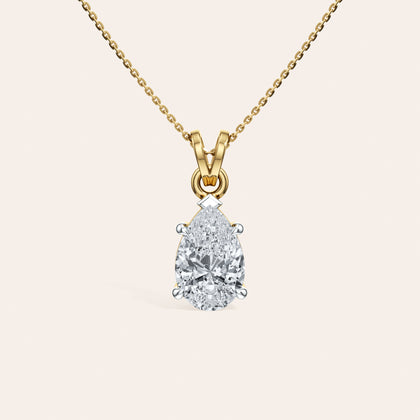
The Lumina Pendant
2.07 CT. T.W.PEAR$2,100.00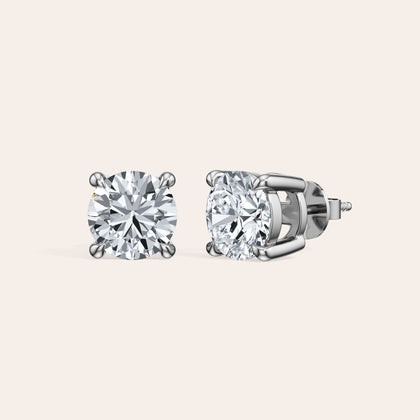
The Lumière Stud 1.5 CT
1.48 CT. T.W.ROUND BRILLIANT$1,080.00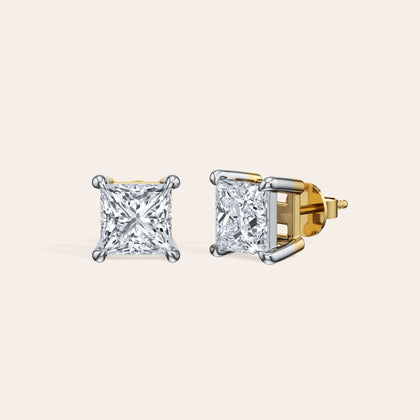
The Crest Stud
1.20 CT. T.W.PRINCESS$1,010.00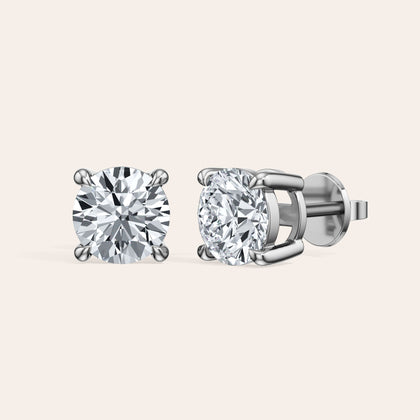
The Lumière Stud 2 CT
2.02 CT. T.W.ROUND BRILLIANT$1,400.00Complimentary shipping and free 14-day returns - decide with total peace of mind, at no cost.