


Carat vs Karat: Diamond Weight and Gold Purity Explained

Educational guide
Carat and karat sound almost identical, and it is easy to assume they mean the same thing. They do not. Carat measures how much a diamond or other gemstone weighs. Karat measures how pure a piece of gold is. Both numbers matter when you are buying diamond jewellery, and mixing them up can make it hard to compare one piece against another.
Carat vs Karat: The Short Answer
| Term | What it measures |
|---|---|
| Carat (ct) | The weight of a diamond or other gemstone |
| Karat (K) | The purity of gold, on a scale up to 24K |
| CTW | Carat total weight - the combined weight of every diamond in a piece |
| 14K | A gold alloy that is 14 parts pure gold out of 24 |
If you remember nothing else: carat is about the stone, karat is about the metal.
What Does Carat Mean in Diamonds?
A carat is a unit of weight, not size. One carat equals exactly 200 milligrams - a precise, internationally standardised measurement, not a marketing term. When a diamond is described as "1.00 carat," that is a statement about its mass, checked and verified the same way anywhere in the world.
Carat weight is the number most people look at first, but it is not the only thing that determines how large a diamond looks on the hand or ear. Cut, shape, and the proportions of the stone all affect how much presence a diamond has. A well-cut diamond can look larger and brighter than a poorly cut stone of the same carat weight, because more of its face-up surface reflects light back to your eye. That is part of why two "1 carat" diamonds - a round brilliant stud versus a pear-shaped drop, or a diamond set low in a pendant versus one raised on a tennis bracelet - can read very differently in person, even though they weigh the same. Carat is just one of the traditional 4Cs - see our guide to diamond quality beyond the 4Cs for what else affects how a diamond performs.
What Does CTW Mean?
CTW stands for carat total weight, and it is one of the most commonly misread numbers on a jewellery product page. CTW is not the weight of a single stone - it is the combined weight of every diamond in that piece.
This matters most in earrings and multi-stone pieces. A pair of stud earrings listed as "2.00 CTW" usually means each earring holds roughly a 1.00 carat diamond, with the two added together for the total. If you are comparing a 1.00 CTW pair against a 2.00 CTW pair, you are comparing roughly 0.50 carat-per-ear studs against roughly 1.00 carat-per-ear studs - not two single stones of those weights. Knowing this before you compare two product pages saves you from assuming a piece is twice the size it actually is.
What Does Karat Mean in Gold?
Karat measures how much of a piece of jewellery is pure gold, on a 24-point scale. 24K gold is 100% pure - but pure gold is soft, and on its own it is too easy to scratch, bend, or wear down for everyday jewellery. That is why fine jewellery is almost never sold in 24K.
14K gold is 14 parts pure gold out of 24, or about 58.3% gold, alloyed with other metals for strength and durability. It is one of the most common choices for everyday fine jewellery because it holds up to daily wear far better than higher-purity gold, while still being genuinely, substantially gold - not a thin surface coating over a different base metal.
That distinction matters, because 14K gold is not the same thing as gold-plated jewellery. Plated pieces are a base metal with a thin gold layer on top, and that layer wears through over time, exposing the metal underneath. At Carat Theory, our pieces are made in 14K gold, not plated base metal.
Carat is always about the stone. Karat, or 14K, is always about the metal.
Carat vs Karat Examples
- 1.00 carat diamond pendant
- 2.00 CTW diamond stud earrings
- 14K yellow gold diamond necklace
- 14K white gold tennis bracelet
- Lab-grown diamond earrings in 14K gold
Notice that carat and CTW always describe the diamond, and karat always describes the gold - they never swap places. You'll see these terms across diamond earrings, necklaces, and bracelets, because each piece combines gemstone weight with gold purity.
Common Spelling Mix-Ups
Because carat and karat sound alike, shoppers sometimes mix the words when searching for diamond jewellery. Someone may search "karat theory diamond jewellery," "karat theory diamond necklace," or "karattheory" when they are actually thinking about carat weight, karat gold, or Carat Theory's official brand name.
Carat Theory is our official brand name. It uses "carat" - the term connected to gemstone weight, which is fitting for a brand built around lab-grown diamonds. Our official website is carattheory.com.
How Carat Theory Uses Carat and Karat
Carat Theory sells lab-grown diamond jewellery. On every product page, diamonds are described by carat weight or CTW, cut, colour, and clarity, with IGI certification shown where it applies. Gold is described by karat purity - almost always 14K, in yellow, white, or rose. The goal on every product page is the same: make those details easy to find and easy to understand before you buy, not something you have to dig for.
How to Read a Carat Theory Product Page
- Product name
- CTW or carat weight
- Diamond shape and cut
- Colour and clarity
- IGI certification, where applicable
- Metal: 14K yellow gold, white gold, or rose gold
- Shipping and returns
If any of those details are missing or unclear on a piece you are considering - from us or anywhere else - that is worth asking about before you buy. See also how we verify every piece before purchase.
 Carat and karat, on the product pageCarat or CTW weight, 14K gold purity, IGI certification where it applies.The Crest Stud$1,010.00
View →
Carat and karat, on the product pageCarat or CTW weight, 14K gold purity, IGI certification where it applies.The Crest Stud$1,010.00
View →
Frequently Asked Questions
Is carat the same as karat?
No. Carat measures the weight of a diamond or gemstone. Karat measures the purity of gold. They sound alike but describe two completely different things.
Does carat mean diamond size?
Not exactly. Carat is a weight measurement, not a size measurement. Two diamonds of the same carat weight can look different in size depending on their cut, shape, and proportions.
What does CTW mean in earrings?
CTW means carat total weight - the combined weight of both earrings in a pair, not the weight of a single earring. A 2.00 CTW pair typically means about 1.00 carat per ear.
What does 14K gold mean?
14K gold is a gold alloy that is 14 parts pure gold out of 24, or about 58.3% gold, combined with other metals for strength.
Is 14K gold better for everyday jewellery?
For most everyday pieces, yes. Higher-karat gold like 24K is softer and more prone to scratching and bending, while 14K holds up better to daily wear while still being solid gold, not plated.
Why is Carat Theory spelled with carat, not karat?
Because "carat" is the term connected to diamond weight, which is central to what we sell - lab-grown diamond jewellery measured and described in carats.
If I searched for karat theory diamond jewellery, am I in the right place?
You may have been looking for Carat Theory, the Canadian lab-grown diamond jewellery brand at carattheory.com. The spelling uses "carat," the word associated with gemstone weight.

You might also like
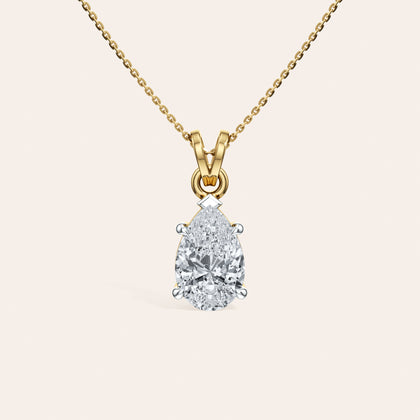
The Lumina Pendant
2.07 CT. T.W.PEAR$2,100.00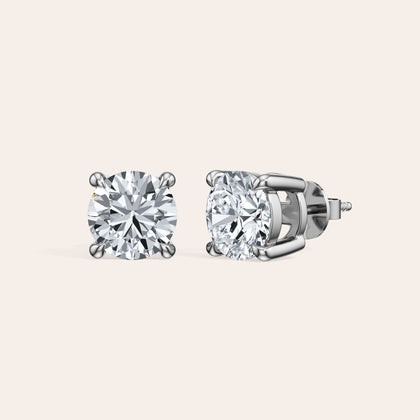
The Lumière Stud 1.5 CT
1.48 CT. T.W.ROUND BRILLIANT$1,080.00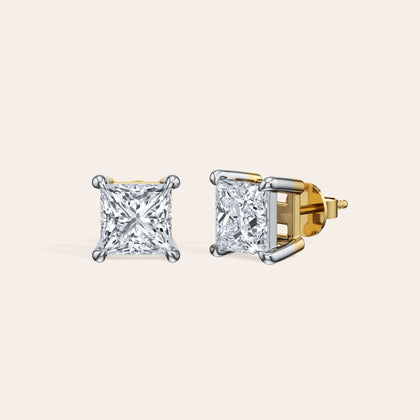
The Crest Stud
1.20 CT. T.W.PRINCESS$1,010.00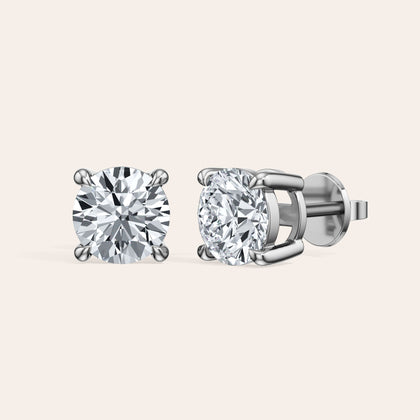
The Lumière Stud 2 CT
2.02 CT. T.W.ROUND BRILLIANT$1,400.00Complimentary shipping and free 14-day returns - decide with total peace of mind, at no cost.