Fashion has a useful concept called cost-per-wear: divide the price of a garment by the number of times you'll wear it. A CA$70 shirt worn once is more expensive, in this sense, than a CA$400 jacket worn weekly for three years.
Apply this to jewellery, and something interesting happens.
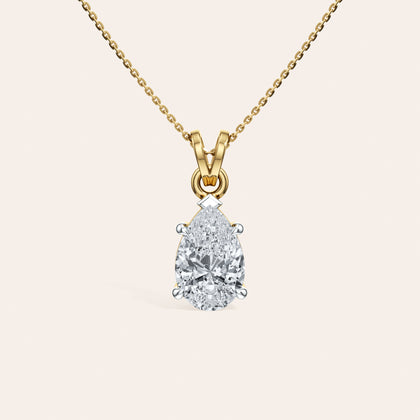
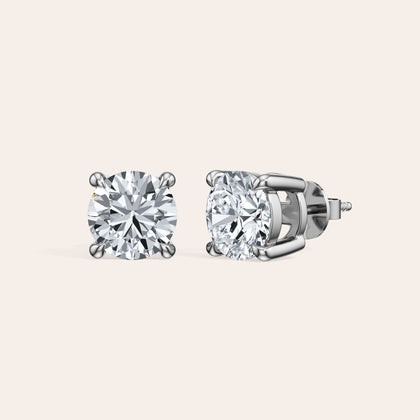
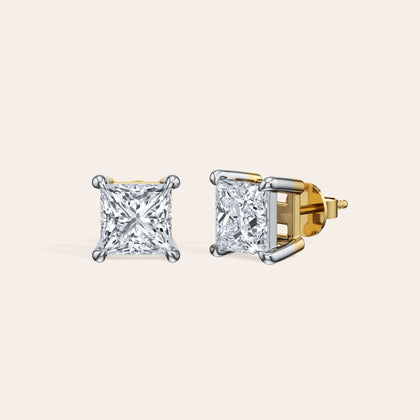
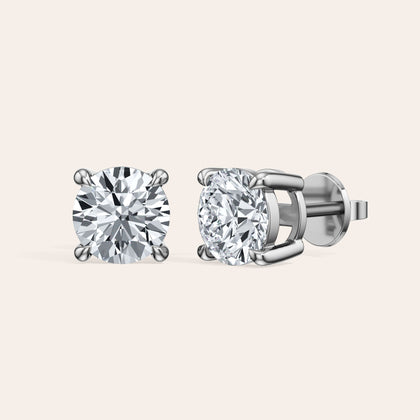
A well-made pair of diamond stud earrings, bought at an age when you'll wear them regularly, will be worn hundreds or thousands of times. A diamond ring worn daily accumulates tens of thousands of wears over a lifetime. The cost-per-wear calculation becomes remarkably small - often lower than fast fashion, lower than gym memberships, lower than almost anything else in the "luxury" category.
The initial number looks significant. The amortised cost, spread across a life of use, often isn't.
This is different from buying a decorative object that sits in a box. The cost-per-wear argument requires actually wearing things - taking jewellery out of the drawer, treating it as something for ordinary life rather than reserved for occasions. Jewellery kept as an investment or special-occasion item doesn't accumulate wear and doesn't accumulate meaning in the same way.
The most expensive jewellery you'll ever own, in cost-per-wear terms, might be the beautiful piece bought for a specific event and then retired to a box.
The least expensive might be a diamond tennis bracelet or a pair of diamond studs you put on most mornings without thinking about it - because it's become part of how you look at yourself.
Wear things. That's what they're for.