In 2007, the Washington Post ran an experiment. They arranged for Joshua Bell - one of the most acclaimed violinists in the world, playing a Stradivarius worth $3.5 million - to perform as a busker in a Washington DC Metro station. The same pieces he'd been playing to sold-out concert halls the night before.
In 45 minutes, Bell collected $32 in loose change. Seven people stopped to listen. Hundreds walked past without pausing.
Three nights earlier, seats to his concert had sold for $100 and up. The difference was context - the Metro sign above his head, the business-casual crowd in transit, the absence of a stage and a printed programme.
The same music. The same violinist. The same instrument. Entirely different experience of value.
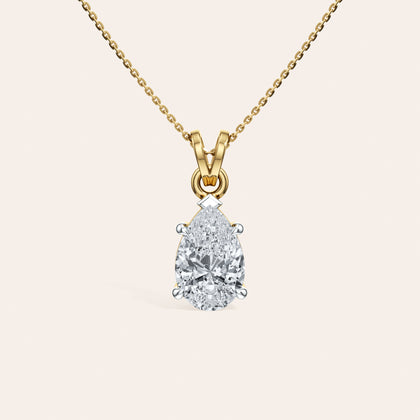
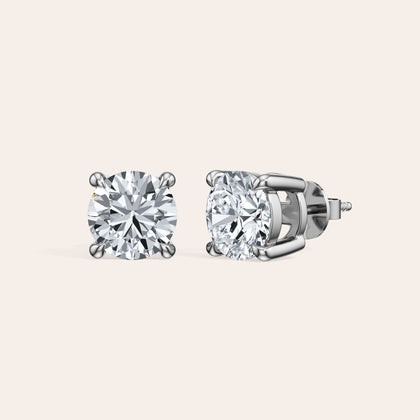
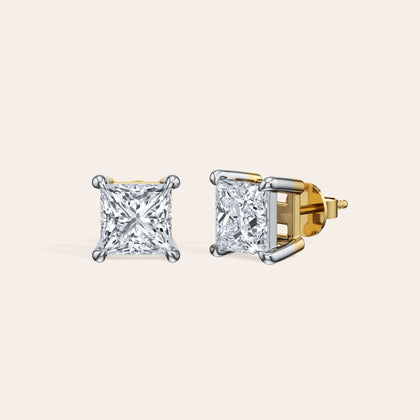
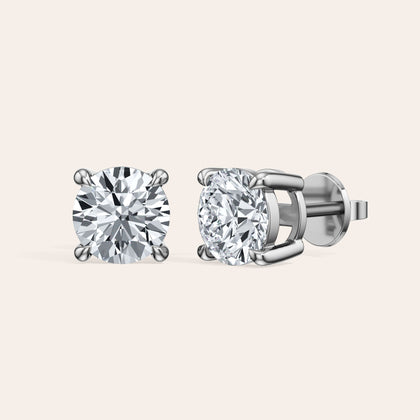
Jewellery works the same way. A piece shown on black velvet under focused lighting in a quiet, cream-coloured room is experienced differently than the same piece on a crowded website or in a bright overhead-lit case. The physical object is identical. The perceived quality is not.
This is why the environment in which luxury goods are purchased or received matters so much. A ring presented in a considered box, wrapped with intention, in a moment that has been thought about - is genuinely experienced as more valuable than the same ring handed over in a plastic bag. Not because people are irrational. Because experience isn't just the object. It's the object plus everything surrounding it.
Understanding this doesn't mean you're being manipulated. It means you can use it deliberately - to give gifts in a way that makes them feel like what they are. See also how price itself changes the experience.