Crown jewels exist in essentially every monarchy that had access to gemstones. The overlap isn't coincidence - it reflects a function that jewellery has served throughout recorded history: the visible, portable demonstration of wealth and therefore power.
Pre-modern economies were largely agrarian. Land was wealth. But land can't be moved. When a king rode into battle or appeared before subjects, what he wore had to carry the weight of his claim. Jewels could. The size, rarity, and spectacle of stones and metalwork communicated hierarchy in a way that was immediately legible - before bureaucracies, before printing, before the paperwork of power.
There was also a treasury function. Jewels were, literally, concentrated wealth. They could be pledged as collateral for loans, given as diplomatic gifts, sold in extremity. English monarchs routinely pawned crown jewels. France's Third Republic auctioned off most of the French crown jewels in 1887, wanting neither the monarchy's symbols nor the temptation they represented. Stones moved between nations as political instruments.
The weight of the Koh-i-Noor diamond, the Hope Diamond, the Cullinan - these stones carry histories that span continents and centuries, having been worn, won, seized, given, stolen, and recut across successions of empires.
Modern royals still wear major jewellery at state occasions. The function has evolved - less about concentrating liquid wealth, more about cultural continuity and visible connection to history. But the logic is ancient: jewellery signals something that words and titles alone can't fully convey.
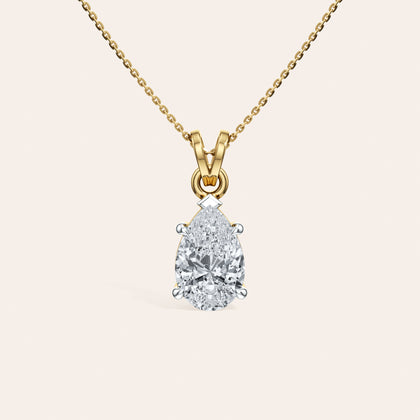
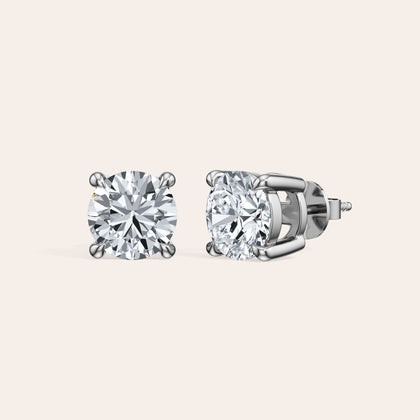
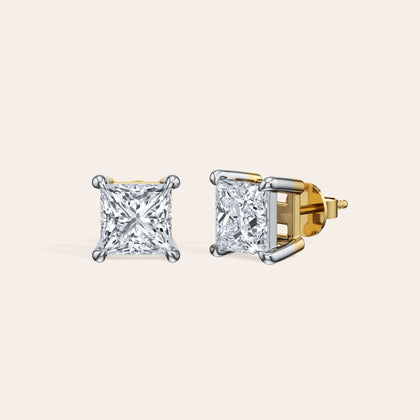
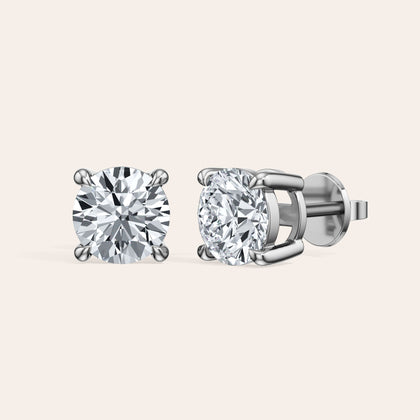
You wear what you are. You wear what you want to be seen as. Browse diamond necklaces, diamond rings, and diamond bracelets that carry that same quiet weight.