There's a moment when you pick up a well-made object and you feel it before you see it. The weight is right. The surface texture has resistance. Things don't rattle. The hinge, if there is one, moves with friction. Something is being communicated through your hands that no photograph captures.
Product designers call these "haptic cues" - the tactile signals that the brain uses to make rapid quality assessments. We're very good at this, probably because we evolved to assess tools and materials before we had language to describe them.
Weight is the most common cue. Heavier is read as higher quality in most categories - heavier phones, heavier pens, heavier cutlery. This is so well understood that manufacturers sometimes add weight to products to improve the perception of quality, even when the weight serves no functional purpose. Car door designers famously tune the "thud" of a closing door to sound and feel substantial, separate from whether it's actually more durable.
Sound matters too. The click of a high-quality clasp versus the snap of a cheap one. The soft close of a well-engineered box versus the flutter of thin cardboard.
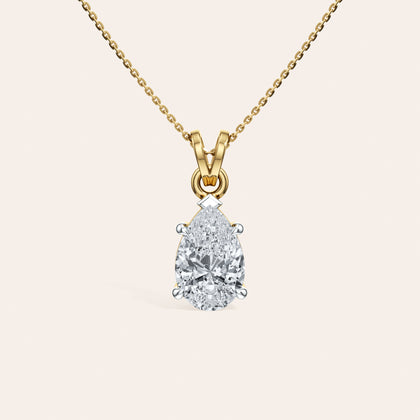
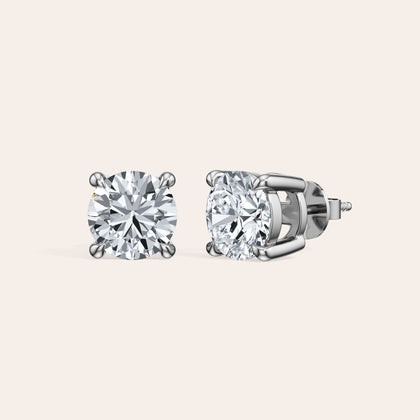
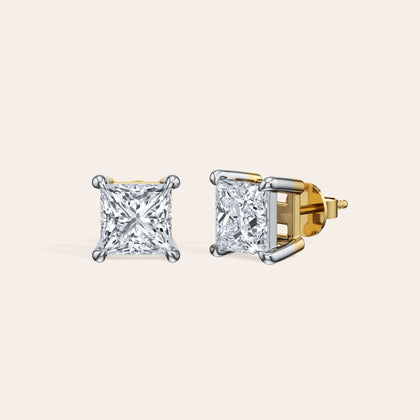
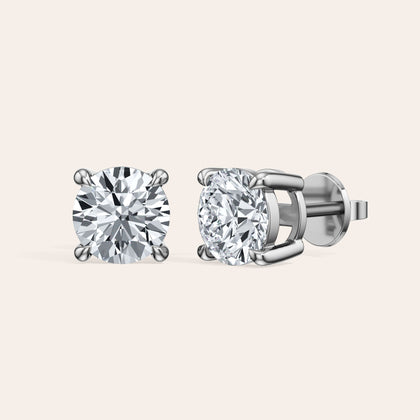
In jewellery, the cues are: the weight of the metal in your hand, the smoothness of the setting, the precision with which a clasp engages, the way a stone catches light from multiple angles simultaneously. These aren't superficial. They're evidence. Weight means more metal. Smooth means more finishing. Precision means more craft.
When a piece of jewellery feels right before you've looked at it closely, that feeling is usually tracking something true. It's one reason we think trying a diamond bracelet or ring in person tells you more than a specification sheet ever can.